School of Advanced Materials Science & Engineering · Sungkyunkwan University AMSE SKKU jhlee7@skku.edu

Materials Designed at the Interface of Biology and Nanotechnology

We build nanoscale materials and surfaces that diagnose, repair and protect biological systems: from nanocluster diagnostics and cell-instructive interfaces to bio-derived flame retardants and AI-guided materials discovery.

BNML members gathered in front of the Engineering Building at SKKU

Welcome

Materials Science, Biology, and Chemistry, brought together at the nanoscale

Our research centers on nucleic acids and other biomolecules as building blocks for functional materials. We use their programmable properties to guide material assembly, recognize molecular targets, and control how materials interact with cells. This work spans applications from molecular sensing to tissue repair.

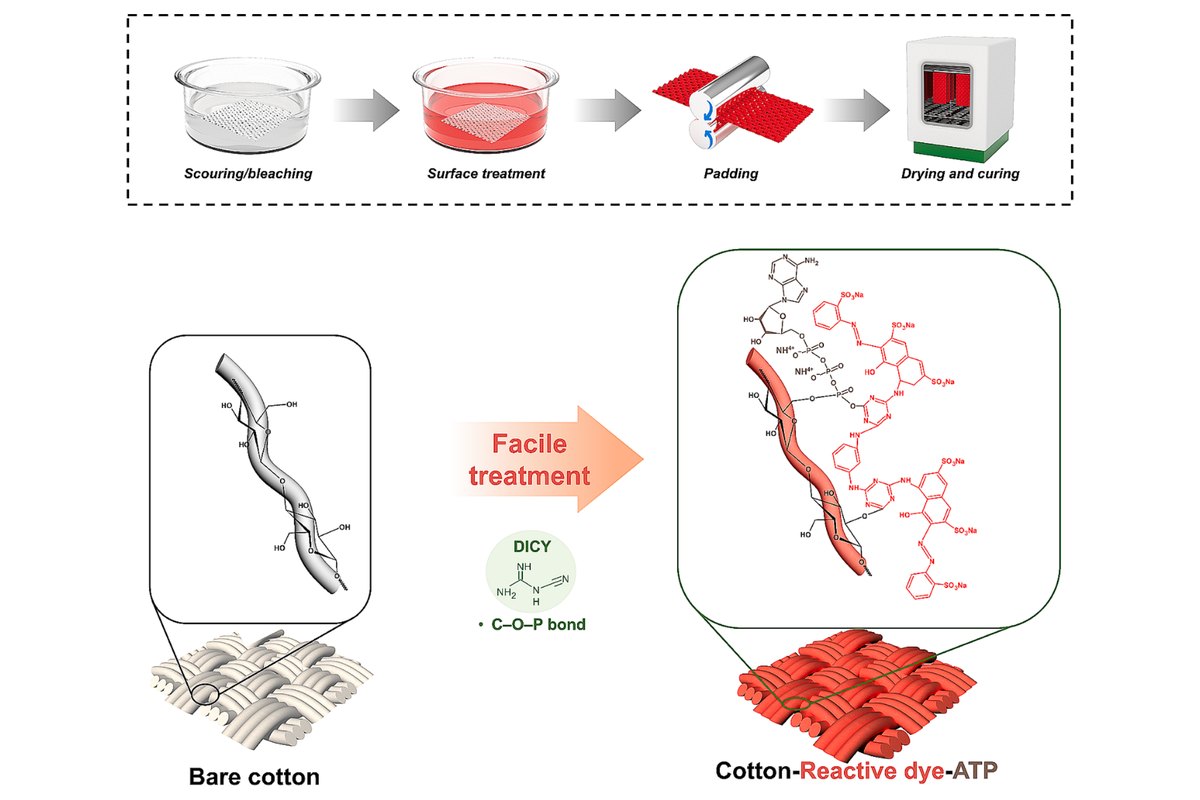
We develop bio-based flame retardants using ATP, RNA, and other biomolecules to protect polymers and textiles against fire. Across these research areas, we use AI to accelerate materials design and characterization.

Research overview

What we do

Four research directions

Interdisciplinary by design: nanomaterials, biomolecules and data science in the same toolkit.

All research topics
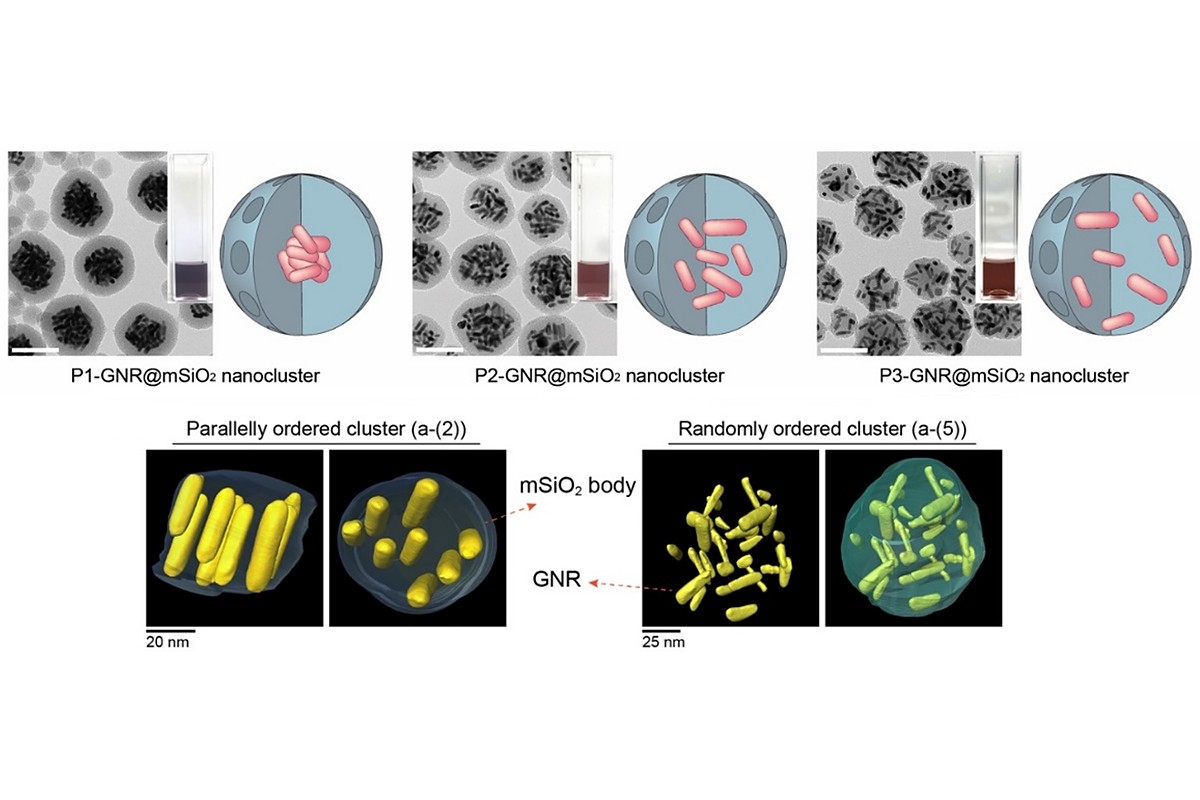
Gold nanorods in mesoporous silica (GNR@mSiO2) nanoclusters: TEM images and cross-sections of the P1, P2 and P3 clusters, and models of a parallelly ordered cluster with the rods packed side by side and a randomly ordered cluster
RESEARCH 01

Nanomaterials for Biomedical Diagnosis & Therapy

Plasmonic nanostructures and complex nanoclusters of gold nanorods in mesoporous silica, DNA aptamers and enzyme- or biomolecule-based systems for sensitive biosensing, diagnostics and targeted therapy.

Read more
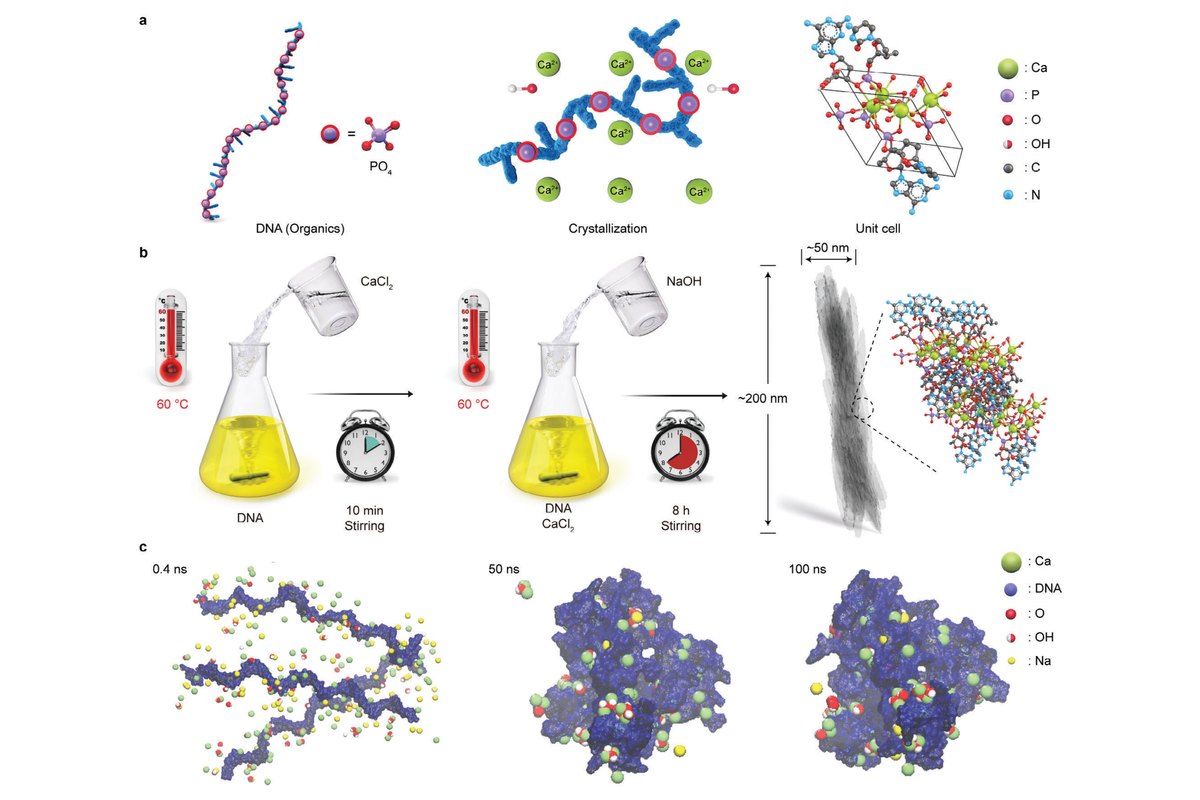
DNApatite model: phosphate groups on single-stranded DNA binding Ca2+ and OH- into an apatite unit cell, the hydrothermal synthesis route, and molecular-dynamics snapshots at 0.4, 50 and 100 ns
RESEARCH 02

Materials & Cell Interfaces

How nanostructured surfaces and bioinspired hydrogels steer cell adhesion, proliferation and tissue repair in vivo, from single-chain atomic crystals to DNApatite, an organo-inorganic apatite as stiff as bone yet elastic.

Read more
Textile treatment scheme: a pad-dry-cure process line and C-O-P bonds linking ATP and reactive dye to cellulose in cotton
RESEARCH 03

Bio-Derived Materials & Flame Retardants

We develop bio-based flame retardants for polymers and textiles using ATP, RNA, and other biomolecules. We also explore chitosan, cellulose, and other bio-derived building blocks for sustainable materials.

Read more
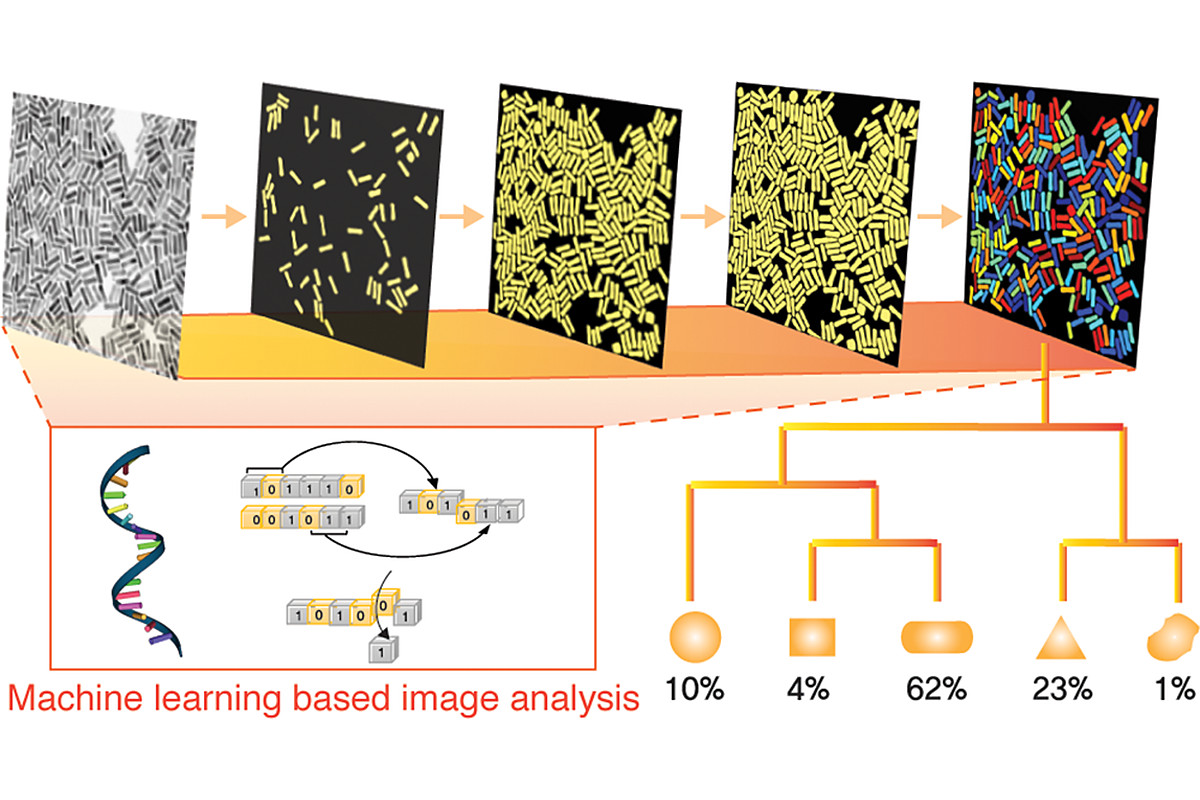
Genetic-algorithm image analysis of TEM micrographs: densely packed gold nanorods separated into individual particles, 18-bit gene strings recombined and mutated, and the shapes clustered into groups of 10, 4, 62, 23 and 1 percent
RESEARCH 04

AI-Driven Material Design & Characterization

Machine-learning image analysis, genetic algorithms and autonomous agents that read electron micrographs, quantify nanostructures and shorten the path from a design idea to a validated material.

Read more

From the lab

News

Awards, graduations, new members and new papers.

All news
November 2026

Jong Seok Lim has received the Best Poster Presentation Award (우수포스터상) at the 2026 Fall International Conference of the Korean BioChip Society (KBCS-BBMEC), held in Jeju from November 10 to 13, 2026. Congratulations!

September 2026

Jun Hwang and Rashmita Praharaj have joined our group as graduate students. Welcome!

September 2026

Dr. Jun Hyuk Heo (Ph.D., '18.2) has joined the Department of Materials Science and Engineering at Gyeongsang National University as an Assistant Professor. We sincerely congratulate Dr. Heo on this exciting milestone and wish him continued success in his academic career and future endeavors.

April 2026

The BNML research team has been selected as the Winner of the Excellence Award (최우수상) at the AI Co-Scientist Challenge Korea 2026. We developed an autonomous AI-driven agent for materials research that integrates physics-based simulations to predict material stability and properties, design candidate materials, and suggest experimental directions, effectively accelerating the materials discovery process.

Recent work

Latest publications

Papers, reviews and teaching notes from the lab.

All publications

Visit us

Find the lab

The laboratory sits in Engineering Building II on the Natural Sciences Campus of Sungkyunkwan University, about 40 minutes south of Seoul.

Open in map

LaboratoryRoom 26207, Engineering Building II
Address2066 Seobu-ro, Jangan-gu
Suwon, Gyeonggi 16419, Korea
Telephone+82-31-290-7404
Fax+82-502-302-1918
E-mailjhlee7@skku.edu
Degree programsAMSE · Department of MetaBioHealth